
10 Hidden Things Making Your House Smell Bad
Affiliate Disclosure: This post may contain affiliate links, which means I may earn a small commission if you make a qualifying purchase through my links, at no additional cost to you. As an Amazon Associate I earn from qualifying purchases.
HOME / CLEANING
After you are done cleaning your home and you notice a strange smell in the air, check the areas that you did not clean before you start cleaning your entire home again.
Updated November 2026

Have you ever come back home after being gone for a few hours and noticed an odor that you didn't know where it came from?
When you leave a fruit or vegetable in one place for an extended period of time, you may start to detect the odor of the item. Additionally, if you use items in your household every day (e.g., sponges) and they have become worn out from usage, you may not realize that you need to wash those items. As you become accustomed to these odors, you will likely no longer be able to smell them.
THE BASICSWhy Does Your House Smell Bad Even When It’s Clean?

You become used to the smells that you encounter in your daily life. When you enter a room, you might notice a scent. After some time, you may no longer notice it.
Before you clean your home, step outside for a few minutes to breathe in some fresh air. After returning inside, pay attention to the smells in your home. Can you identify where the odor is most noticeable? Is the odor described as being "sour," "stale," or "musty?"
Those clues can save you a LOT of unnecessary cleaning.
THE LIST10 Hidden Things That Could Be Making Your House Smell Bad

You do not need to check every area at once. Start from where you believe the odor is coming from and then move on to other areas.
01 / 10Something Is Rotting Behind Your Appliances
An offensive smell in your kitchen could result from just one rotten potato. Unfortunately, it isn't always easy to locate that rotten potato. There are many ways for food to become lost and spoil, such as falling behind the refrigerator, dropping beside the stove, or being left un-used in a cupboard for so long that it spoils.
When you are closer to your refrigerator, stove, or pantry, the bad odor will become more apparent.
Here’s What to Do:
- Before moving an appliance, use a flashlight to check underneath and along both sides.
- Check stored onions, potatoes, and other produce for spoiled pieces.
- Remove any food you find, then clean and dry the affected surface.
The Move: Use your phone’s flashlight to look underneath the refrigerator before moving it. You may find the source of the smell without having to move such a heavy appliance.
02 / 10Your Couch Has Been Absorbing Smells

How often do you sit on your couch? Even if it looks clean, there are likely many other substances such as spills, pet hair and dander, and food particles that have been left on the surface.
The odor from the fabric used for the cushions and armrests will last a long time.
A simple 15 minute reset of your living room will help you begin cleaning the couch that you have wanted to clean for so long.
How to identify it: The smell gets stronger as you move closer to the couch.
Here’s What to Do:
- Vacuum between the seats, in the seams, and under the cushions.
- Wash removable covers and throws only if the care label allows.
- Spills should be cleaned with a cleaner appropriate to your upholstery’s cleaning code.

The Move: Smell each cushion to see if one spot is worse than the others. That spot is likely the source of the smell.
03 / 10Your Dishwasher Filter Is Full of Old Food
Before you decide to replace your dishwasher because it smells bad when you open the door, take a look at the filter.
Many dishwashers have a filter beneath the bottom rack that collects small bits of food. If you allow these bits of food to build up on the screen, they can create a foul smell.
This issue can be identified by a sour smell emanating from the inside of your dishwasher and/or residue left behind on your newly washed dishes.
Here’s What to Do:
- Check the instructions for your model to see if it has a removable filter.
- Remove and rinse the filter as directed. Use a soft brush if recommended.
- Clear away any visible food particles and reassemble the filter properly.
The Move: Set a regular reminder to check the filter BEFORE it stinks.
04 / 10Your Shoes Are Making the Entryway Smell

If you store your shoes in a closed closet, they can develop an unpleasant smell due to moisture and sweat.

How to recognize it: A stale or sweaty smell where you keep your shoes or in the entry closet.
Wondering what else your shoes bring in? There may be reasons for not wanting to wear outdoor shoes in the home.
Here’s What to Do:
- Before putting them away, let your wet shoes dry out completely.
- Care for removable insoles as directed.
- Wipe the shoe rack down, rotate pairs so they can dry between wears.
The Move: Move your shoes away from the entryway for 24 hours. If the smell goes away, you've probably found the culprit.
05 / 10Your Washing Machine Has a Musty Smell
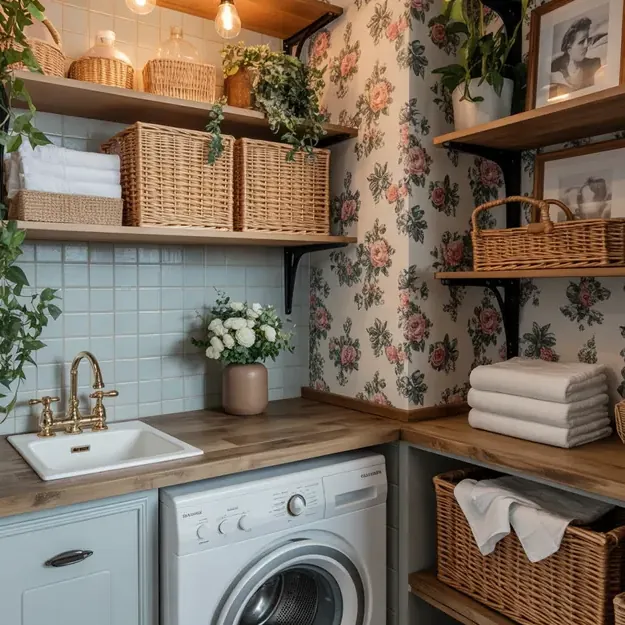
Water and detergent residue can build up inside your washing machine.
If your washing machine is a front-load model, check the door gasket for trapped water or anything stuck there.
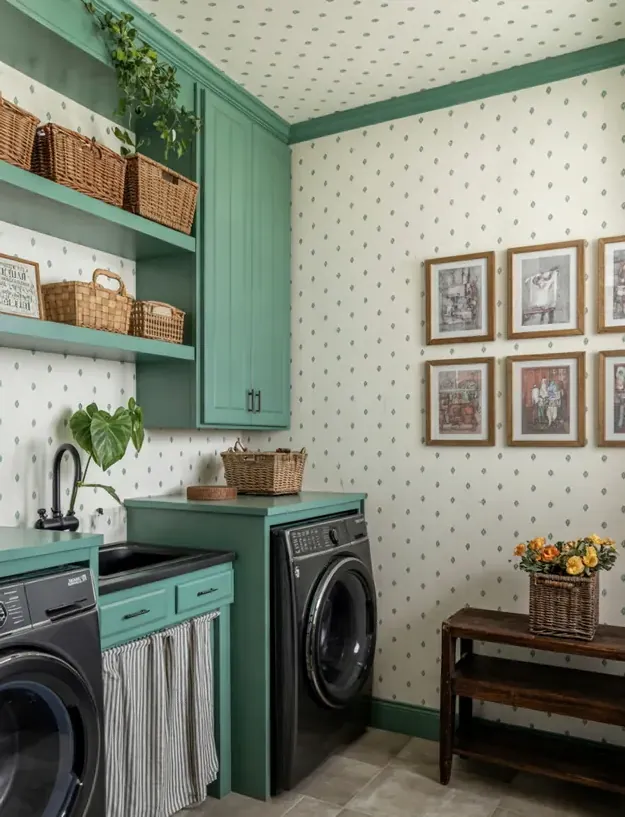
How can you tell if it is time to clean your washing machine? If your clothes smell sour after washing, or you notice a musty smell when you open the door, it may be time.
Here’s What to Do:
- Clean the detergent drawer and accessible seals according to your manual.
- Run the machine's recommended cleaning cycle.
- Remove wet clothes from the washing machine promptly, and leave the door open to air out if your manual recommends it.
The Move: Check the folds of the door seal for moisture, then dry those areas with a towel.

06 / 10Your Kitchen Drain Is Full of Buildup
Even though your kitchen sink is clean, there are other parts of your sink (e.g., around your stopper, strainer, and/or garbage disposal) that can accumulate food waste and produce an unpleasant smell.

How to identify it: The smell is strongest right above the sink opening.
Here’s What to Do:
- Remove and wash the sink strainer or stopper.
- Clean accessible residue around the drain opening.
- Clean the disposal according to the instructions provided by the manufacturer. You should never place your hands inside of the disposal.
- If the smell continues after you stop flushing your drains with cleaner, have a certified plumber look into the problem.
The Move: If you need to clean the whole kitchen, determine whether the strongest smell is coming from the area immediately above the sink drain first.

07 / 10There's a Dirty Drip Tray Under Your Refrigerator
Many refrigerators use an evaporation pan to collect water from the defrosting process. The water usually evaporates into the atmosphere. However, other issues like residue buildup or drainage problems can cause the water to produce a bad smell.
Not every model has a pan you can safely access or remove.
How to identify it: The smell is strongest around your refrigerator, even after you have checked the food inside.
Here’s What to Do:
- Consult the refrigerator manual before trying to access the drain pan.
- Look for visible debris, leaks, or standing water beneath the appliance.
- Clean only the components your manufacturer says are user-accessible.
- Arrange service if the pan is inaccessible or water keeps collecting.
The Move: If the smell is not coming from inside the refrigerator, check the accessible areas underneath before washing all the shelves again.
08 / 10Your Pet's Bed Is Making the Room Smell

Your pet’s favorite blanket may be the coziest spot in your home, but it can also start to smell. Over time, hair, dirt, body oils, and moisture build up on it.
How to identify it: The smell is strongest around your dog’s bed or favorite sleeping spot.
Here’s What to Do:
- Vacuum loose hair and dirt from the bed.
- Wash removable covers and blankets according to their care labels.
- Dry bedding completely before putting it back.
- Replace inserts that can't be cleaned and continue to hold a strong odor.
The Move: Keep a spare, washable blanket for your pet to lie on while you wash the other one.

09 / 10Moisture Is Hiding Behind Your Furniture

If you continue to have odors inside of your home, then you may want to identify what is causing these issues. When you place furniture against the exterior walls of your house, this will restrict the movement of air throughout the house. A damp area can occur due to moisture (condensation) or a hidden leak.
If there is any evidence of moisture in your home, do not use air fresheners to disguise the odor; rather, correct the moisture issue.
How to tell if you have a problem: You may notice a persistent musty odor near a wall, possibly accompanied by discoloration, moisture, or visible mold.
Here’s What to Do:
- Inspect behind dressers, bookcases, and couches, especially near exterior walls.
- Watch out for indicators of water damage, discoloration or visible mold on the wall. When looking at anything which appears suspicious, please use caution.
- Improve ventilation and leave some space behind furniture where practical.
- Get professional help if the moisture problem is ongoing or extensive.

The Move: Start with the area of the room where the musty smell is strongest.
10 / 10Your Heating or Air Conditioning Is Spreading Odors
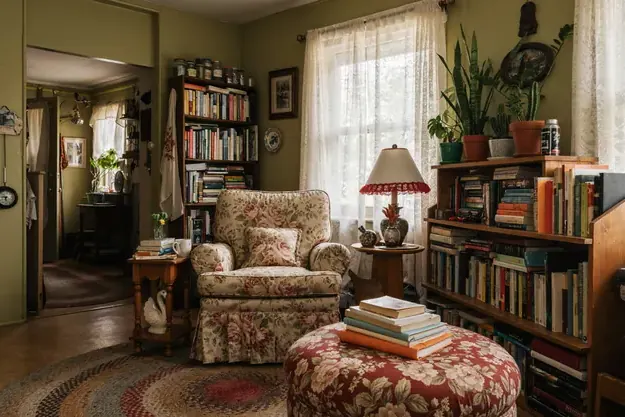
Does the smell spread throughout your home? If so, notice whether it starts when you turn on your heating or cooling.
The smell in your house might be due to a dirty filter, moisture, or another issue with the HVAC unit.
To find out if your system is experiencing this issue, observe whether the odor becomes more apparent during its active use. In addition, if you are continuously seeing a re-accumulation of dust in locations where you just completed cleaning, then it would be prudent to take action and inspect the situation.
Here’s What to Do:
- Check and replace or clean filters on the recommended schedule.
- Inspect accessible vents for obvious debris.
- Notice whether the smell occurs during heating, cooling, or both.
- If you suspect water damage may be taking place, or if you continue to experience smells, have a professional check out what's going on.
The Move: For ordinary HVAC odors, note when the smell occurs and whether the heating or cooling is running. This can help a technician find the cause. If you suspect a gas leak, leave immediately instead of investigating.

KEY TAKEAWAYS
What If You Still Can’t Find the Smell?
You will need to identify the strongest odor you can find in your home, and then determine whether or not there is an identifiable pattern to when it appears. For example, does the odor occur after you wash clothes? Does it occur while you run the dishwasher? Or does it only occur when it rains?
Once you find the source of the odor, remove it or fix the problem before using air freshener. If you find yourself repeatedly smelling that musty odor, if you notice any signs of water damage, or if the sewage odor persists, please consult a professional.
Frequently Asked Questions
Why Does My House Smell Bad Even Though I Clean Regularly?
Odors may come from locations such as an uncleaned area (i.e. appliance filter, upholstery, drain etc.) or a location of hidden moisture. Start with the area in which the odor appears to be most severe.
Once the origin of the smell has been eliminated, there are many types of cleaning products and alternative ways that may help to eliminate the remainder of the odor.
How Can I Tell If My House Smells Bad to Other People?
Over time, you get used to the smell of your surroundings. Therefore, either leave the area you are in for a couple of minutes and then come back into the area, or ask if anyone else has noticed a smell.
What Absorbs Bad Smells in a House?
Odor eliminators can help with some kinds of smells. But they cannot replace cleaning up after an accident or dealing with the problem that caused the smell in the first place. You need to find what created the smell before you can get rid of it.
Why Does My House Smell Musty When I Can’t See Mold?
Musty smells may develop from condensation, damp building materials, and/or leaky plumbing. Mold can cause musty smells, but it is not the only possible cause. Instead of disregarding musty smells, look for signs of continued moisture.
How Can I Keep My House Smelling Fresh?
Clean your appliances on a regular basis, wash things you use frequently, make certain to let wet items dry rapidly once you're done using them, and wipe up any spills/leaks as soon as possible so that they don't start smelling bad. Your home will look/smell clean without having to use manufactured scents.
THE TAKEAWAY
Find the Smell Before You Clean Everything Again
The unpleasant odor that is present in your house can sometimes be caused by a dirty house. However, there are times when this bad odor is produced because of a smelly pillow; the air conditioning unit's filter is clogged; or you have dropped something behind an appliance.
Follow each of the clues in the order they are given and find out more about the problem. It is possible that you will be surprised by how quickly the issue can be resolved.
P.S. Have you ever found the source of a strange smell in your home? What was it?
UP NEXTWould you like every part of your home to be deodorized once you find out where the bad smell is coming from? There are 42 ways to make your home smell better.
Author: Everything Abode
Welcome to Everything Abode, your daily inspiration for every activity at home! Our goal is to inspire you to live an elegant and chic lifestyle from the comfort of your home. We'll help you express yourself through authentic style, aesthetic beauty, and stylish home decor.Subscribe to get the BEST HOME TIPS straight to your inbox!
 You'll get insider advice that is tested to create the BEST home life ever!
Related posts:

21 Cute Easter Decorations To Sprinkle Around The Home

8 Natural Ways That'll Make Your Home Smell Amazing

26 Amazing Gifts for Plant Lovers That'll Be A Big Hit

Amazon's Best: the Highest-Rated and Best Christmas Trees on Amazon!

30+ Indie Aesthetic Wallpaper Ideas