
The Easy Anti-Inflammatory Diet (The Calm Body Era)
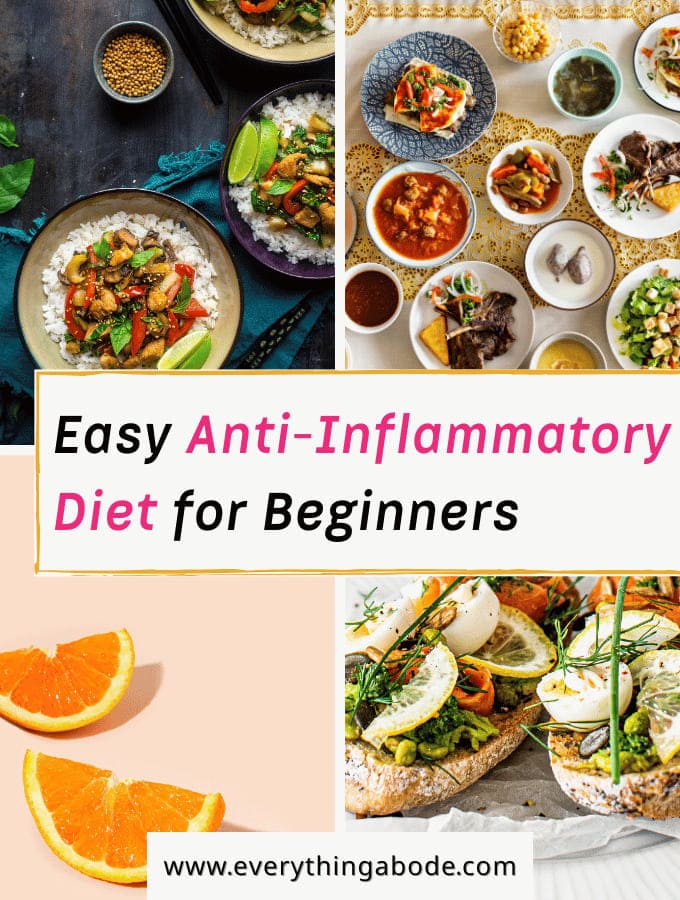
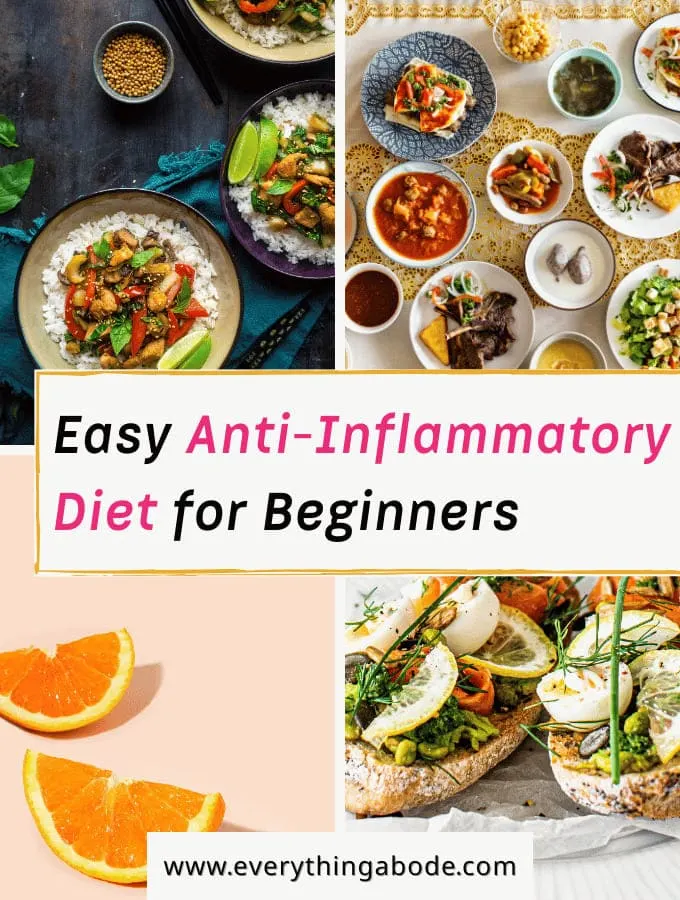
Let’s get something out of the way right from the start.
This is not a detox. This is not a reset. This is actually easy to do!
You won’t have to cut out every single thing you love and pretend that celery juice will change your life.
An anti-inflammatory diet is more akin to selecting peace, especially if you suffer from inflammation.
You’ll learn to give your body foods that help it settle down, rather than keep it in fight-or-flight mode all the time.
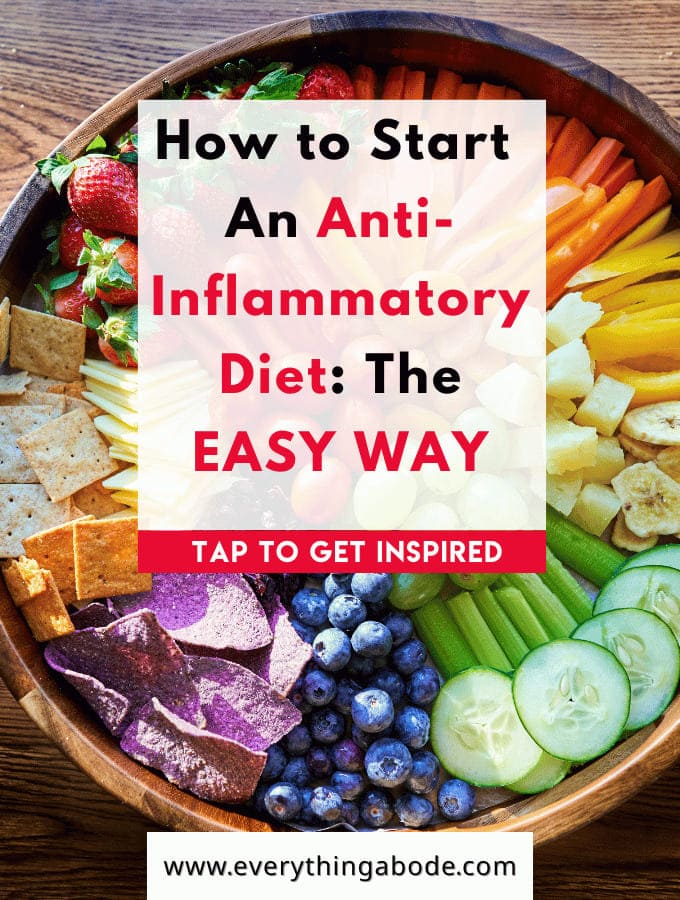
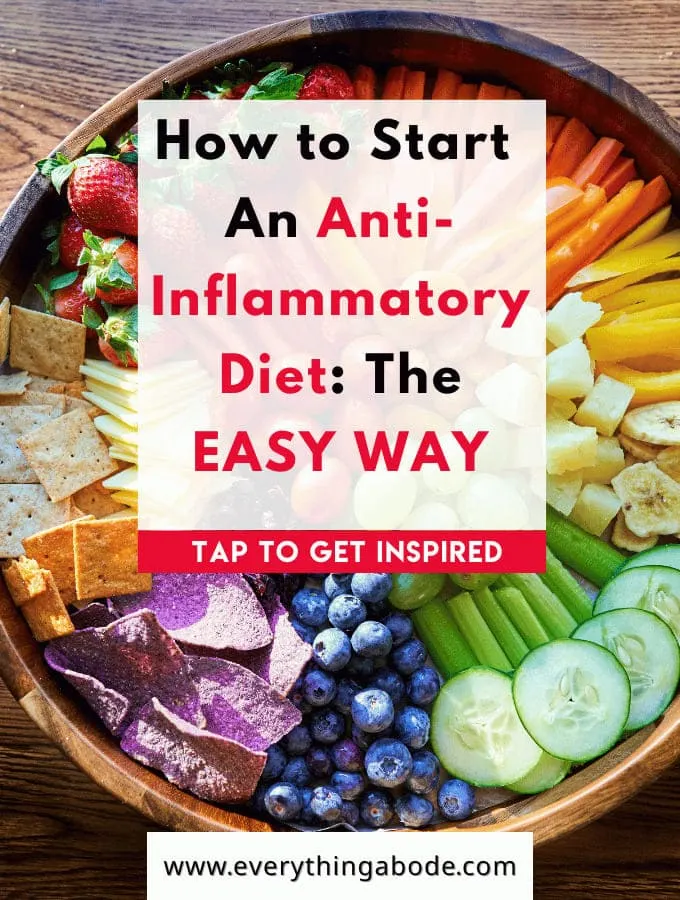
Less inflammation is the goal here.
Less bloating and that sub-low-grade “why do I not feel normal” feeling, you are all too familiar with.
This isn’t about being or eating perfectly. It is eating in such a way that actually serves you long-term!
Think whole foods. Real ingredients. Stuff your body already recognizes.
This is a lifestyle change, not a temporary one!
So let’s see how easy it can be with the right information and the right steps to help get you feeling pain-free again!
SIMILAR FOOD AND HEALTH ARTICLES YOU’LL LOVE:
- 6 Clever Ways to Absorb Your Nutrients Faster
- 7 Surprising Benefits of Being a Vegan
- 9 Best Foods/drinks That Help Alleviate Nausea
The Easy Anti-Inflammatory Diet
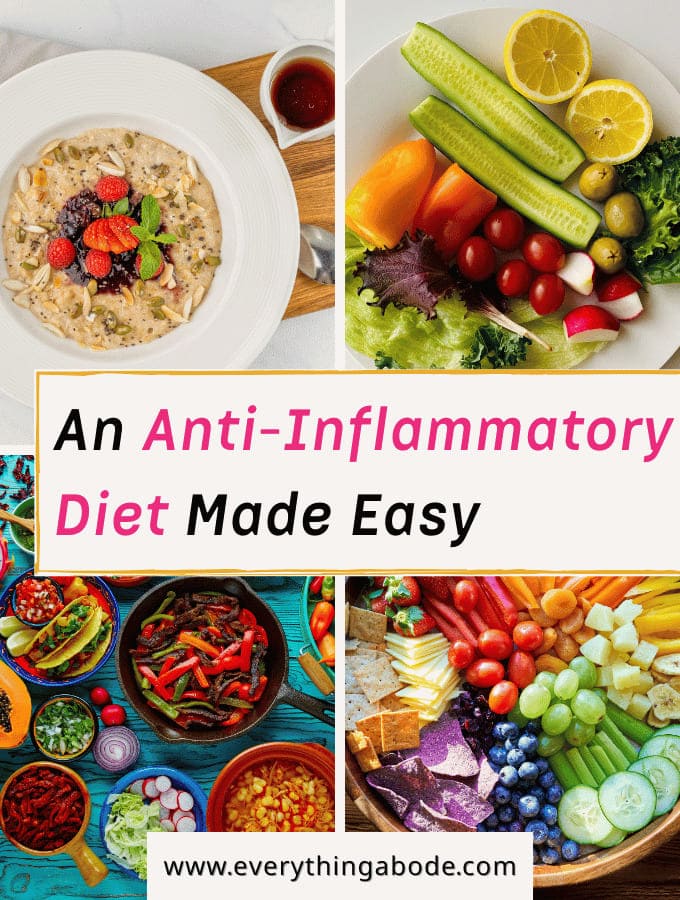
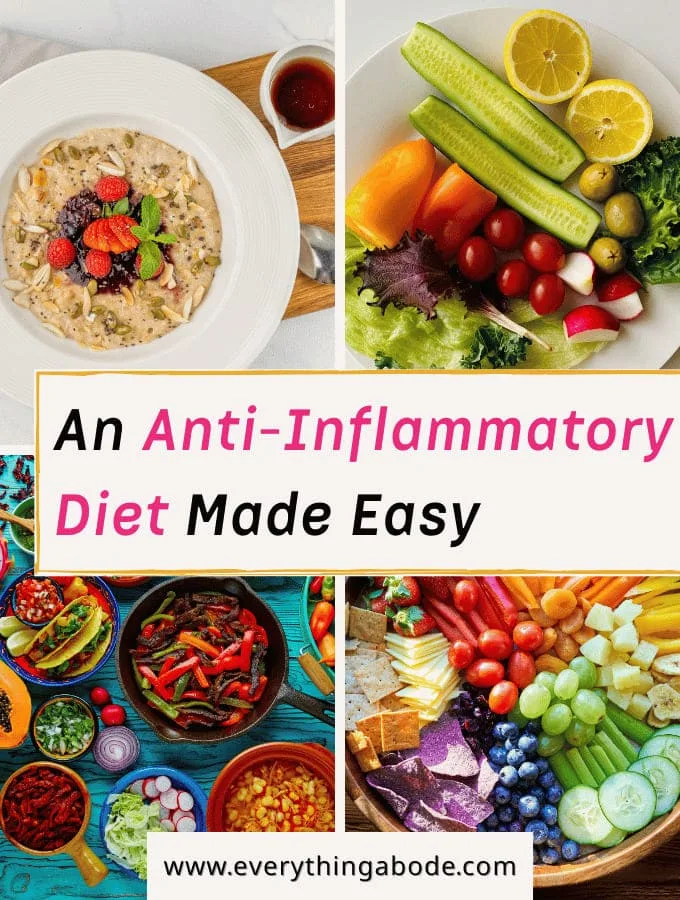
Here are a few things you should know from the start before you head on to the list of foods you should eat and also stay away from!
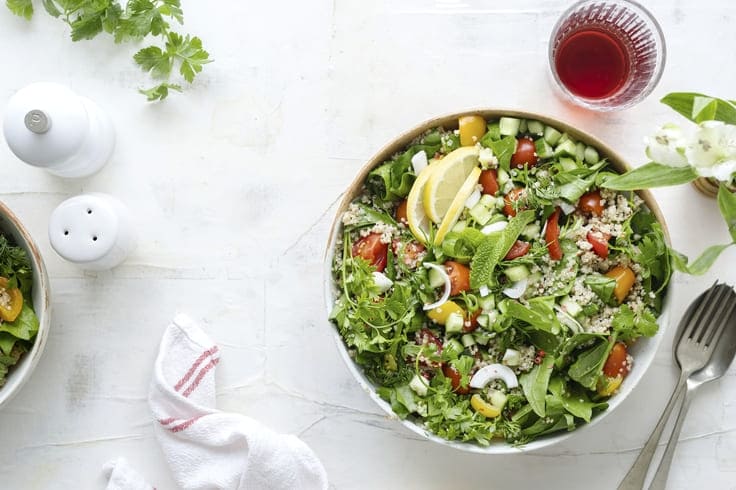
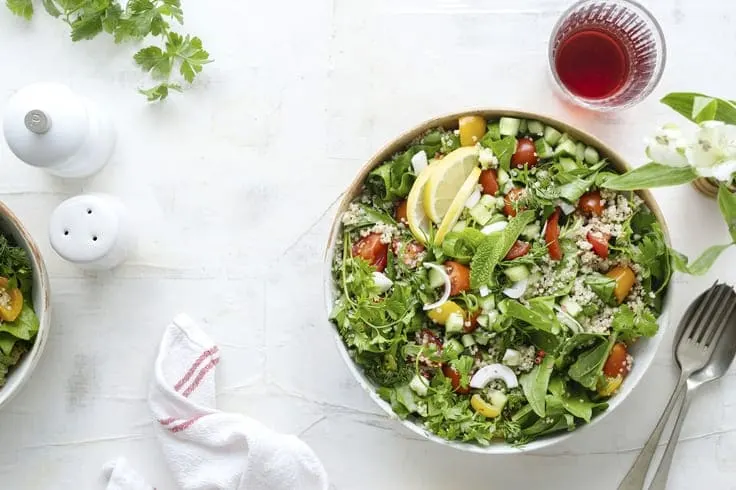
1. Keep ingredients simple
This is not the season for complicated recipes with 27 steps and one ingredient you’ll never use again.
Stick to meals with five to ten main ingredients, and don’t count spices or herbs.
Simple food is easier on your body and your brain.
Pain can mess with everyday things you normally enjoy, like cooking or even spending too much time in the kitchen.
Keeping meals simple means less standing, less chopping, and way less frustration.
Use cooking methods and assistive tools that don’t strain your joints or muscles.
Slow cookers, sheet-pan meals, air fryers, and anything that lets you do less while still eating well are all fair game.
The goal is to make cooking feel doable, not like another task you have to push through.
Keeping meals simple means less standing, less chopping, and way less frustration.
SEE ALSO: 8 Easy-to-Digest Foods for Easier Digestion
2. Keep convenience foods on standby
Convenience foods are not a failure. They’re a strategy.
Keep frozen fruits and vegetables AND LOADS OF PROTEIN in your freezer, along with low-sodium canned beans and lentils.
These are lifesavers on weeks when grocery shopping doesn’t happen or when fatigue and pain show up uninvited.
Pre-cut salads, chopped vegetables, and ready-to-eat fruit are also worth it.
Less chopping means quicker meals and less strain on your body.
If something helps you eat better with less effort, it belongs in your kitchen.
If something helps you eat better with less effort, it belongs in your kitchen.
SEE ALSO: 6 Surefire Ways To Stop Snacking At Night
3. Batch cook once a week
Pick one day and cook more than you need. Double it. Triple it. Eat it for a few days, then freeze the rest.
Having meals ready to go takes the pressure off on days when cooking feels like too much.
You still get nourishing food without having to start from zero every night.
Batch cooking is one of those habits that quietly makes life easier. Future you will always be grateful.
Having meals ready to go takes the pressure off on days when cooking feels like too much.
Don’t Forget to Follow Everything Abode on Pinterest!
What to Eat (The Yes List, Obviously)
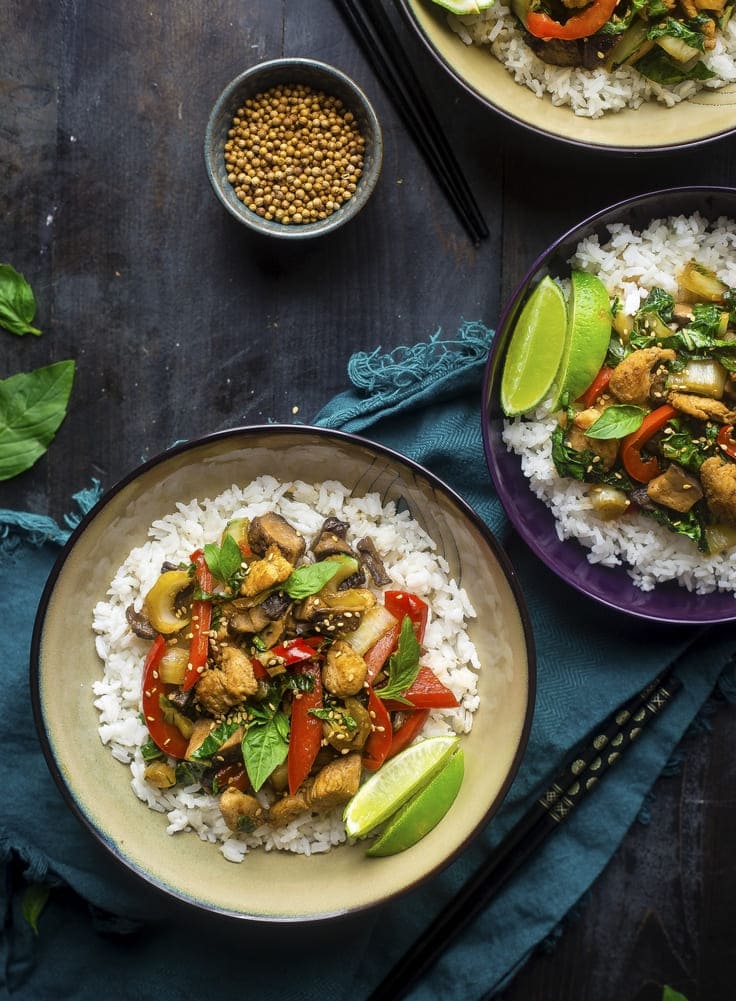
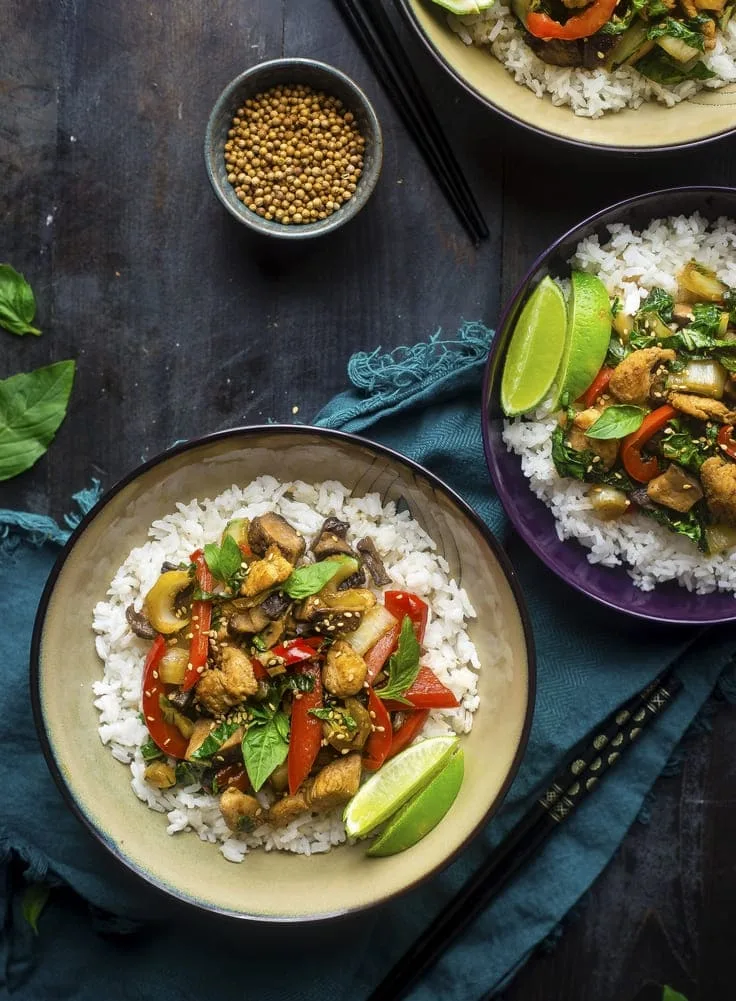
This is the glow-up section.
Fruits and Veggies
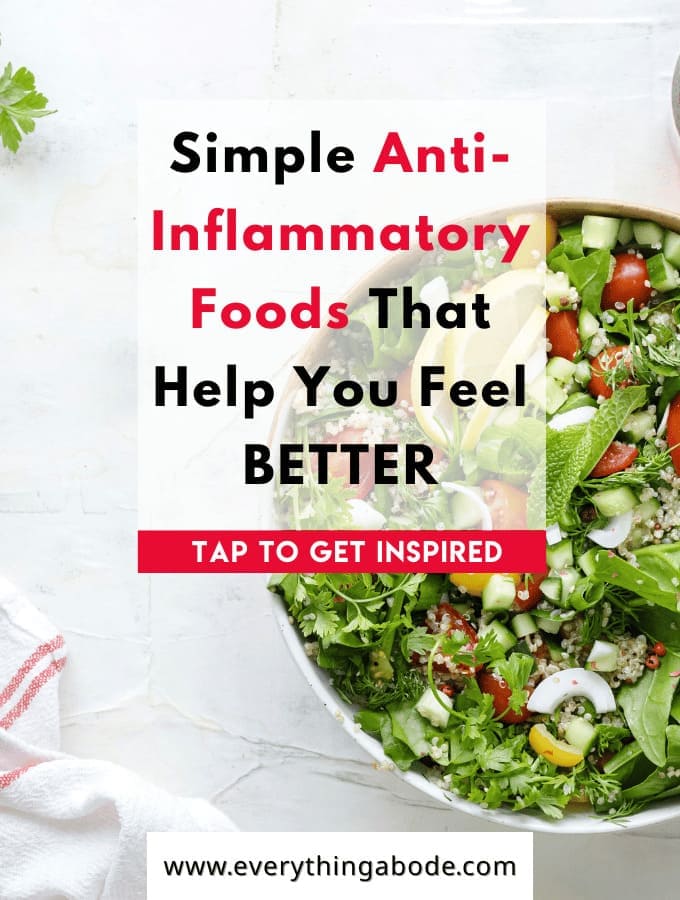
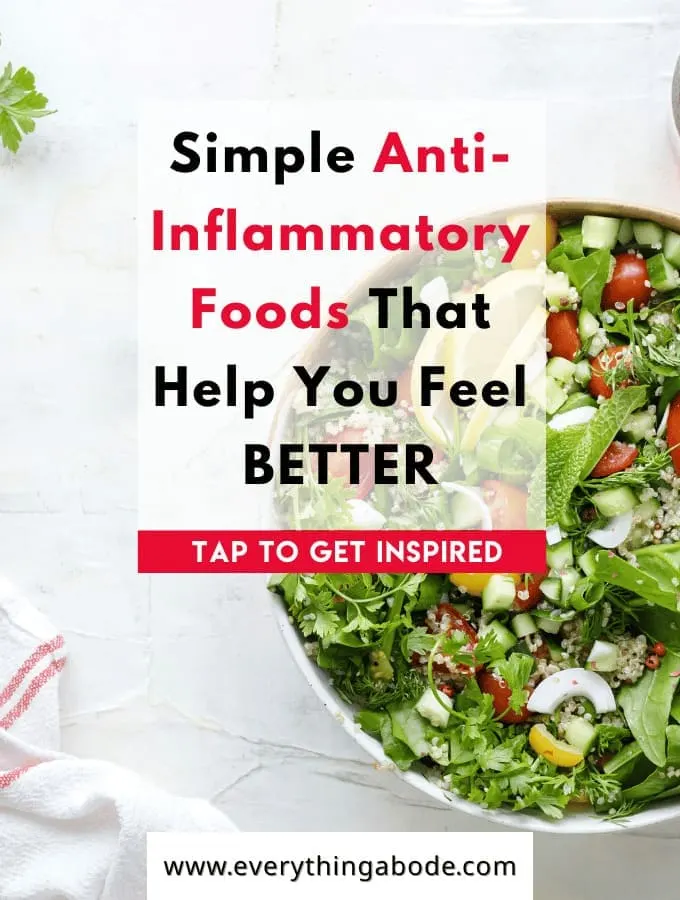
If your plate looks beige, we need to talk. Color is the goal here.
Aim for half your plate to come from fruits and vegetables because they do the heavy lifting when it comes to inflammation.
Load up on berries, leafy greens like spinach and kale, tomatoes, avocados, onions, beets, and cherries.
Fresh is great. Frozen is also great. No one is handing out medals for suffering.
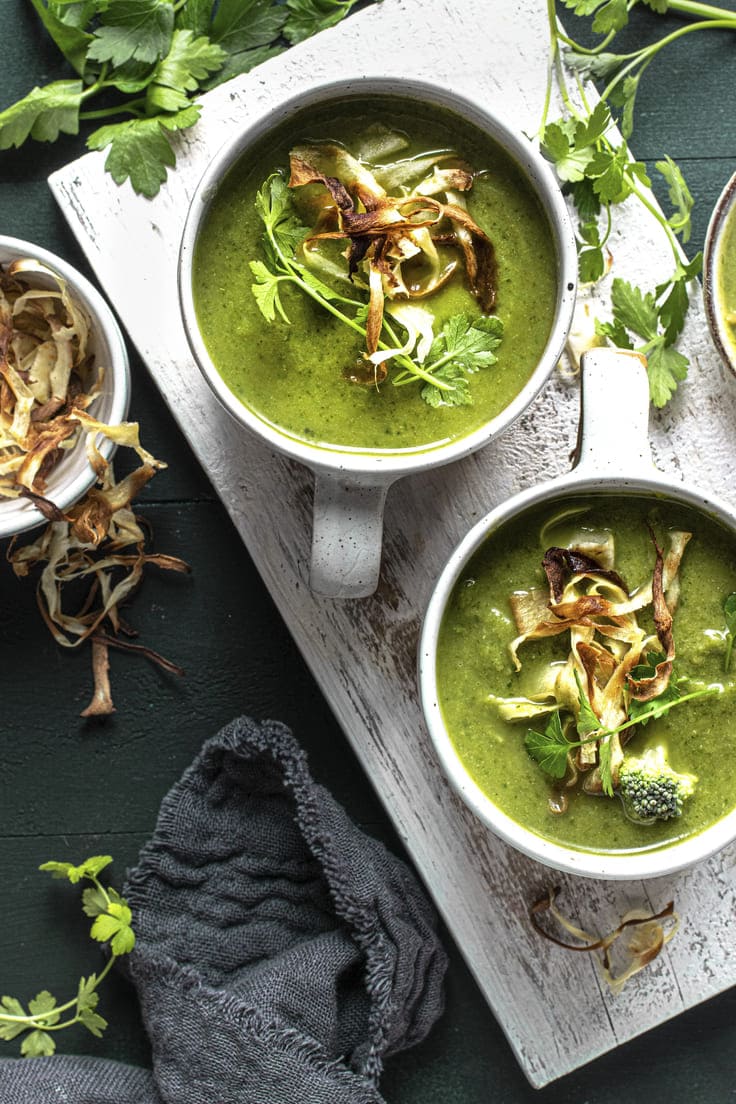
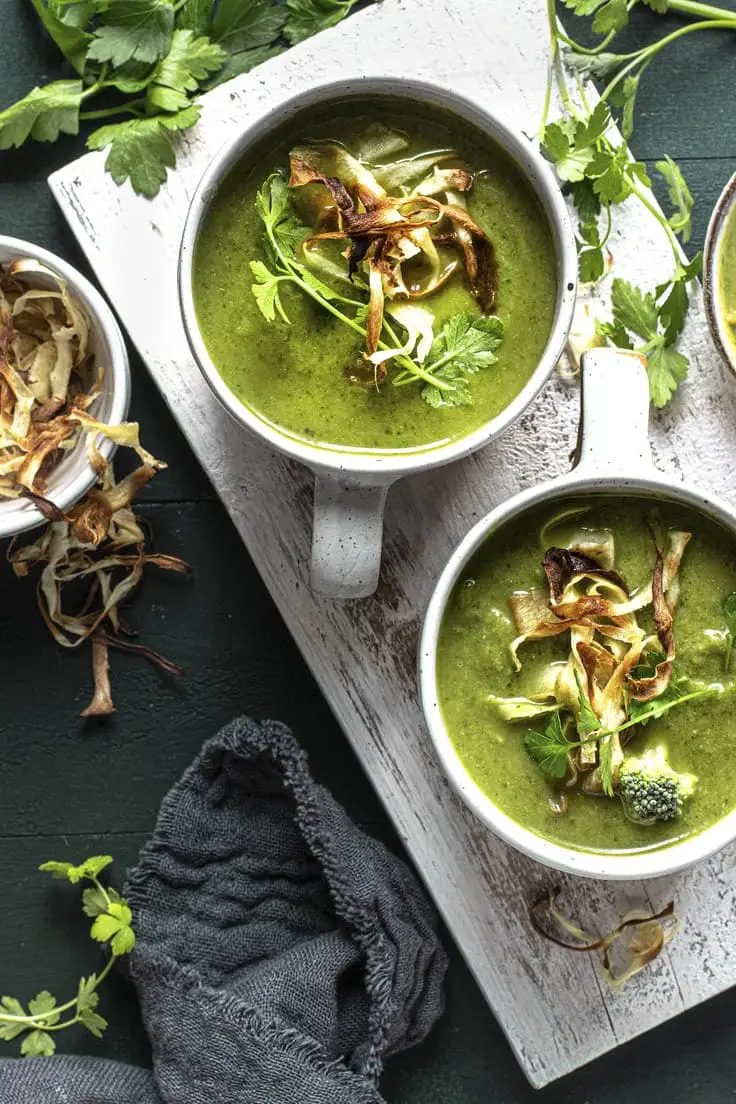
Healthy Fats
Fat is not the villain. The wrong fats are.
Use extra virgin olive oil like it’s your signature move. Add walnuts, almonds, seeds, and avocados to your meals.
Choose fatty fish like salmon or mackerel when you can.
These fats help reduce inflammation and keep you full, so you’re not hunting for snacks an hour later.
Proteins
Protein keeps your energy steady and your meals satisfying.
Think fish, chicken, and plant-based options like beans and lentils.
You don’t need to cut everything else out. Just make these your go-to more often.
Whole Grains
This is where we stop pretending white bread is doing anything helpful.
Quinoa, brown rice, oats, and barley bring fiber, nutrients, and steady energy.
They don’t spike you and drop you an hour later. Big difference.
Herbs and Spices
This is the easiest upgrade with the biggest payoff.
Turmeric, ginger, garlic, and cinnamon all help fight inflammation while enhancing the flavor of food.
Season your meals. Life is too short for bland.
Drinks
Water is non-negotiable. Everything works better when you’re hydrated.
Green tea is also a solid choice if you want something warm and comforting that actually gives back.
SEE ALSO: How to Start Feeling Happy & Stop Feeling Miserable
What to Limit (Not Ban, Just Chill)
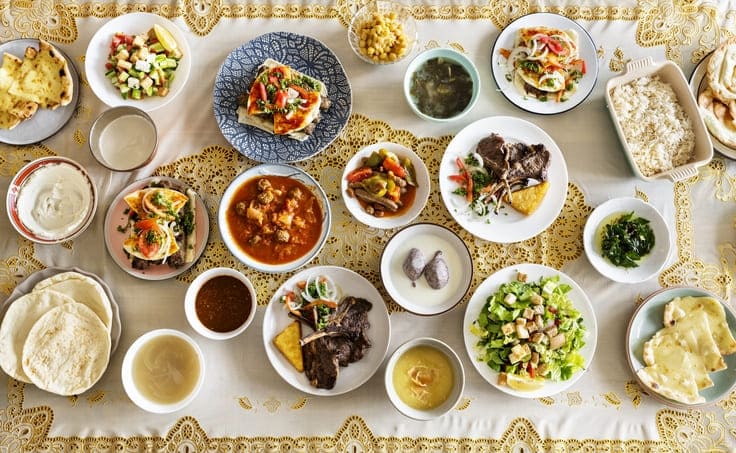
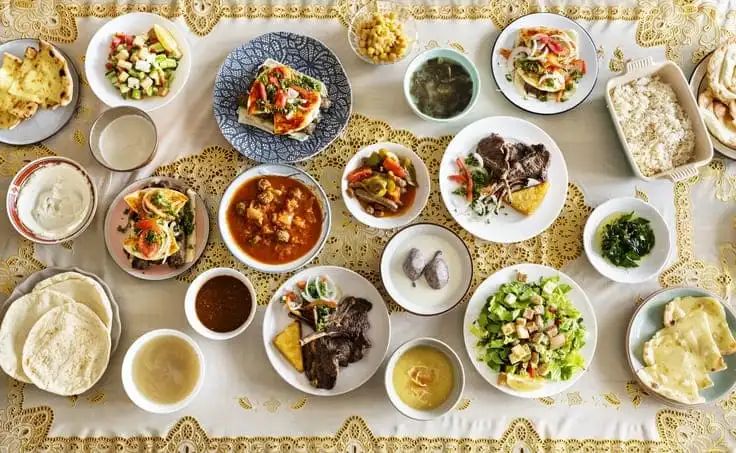
No dramatics here. Awareness is enough.
Added Sugars and Sweeteners
Soda, candy, sugary drinks, and artificial sweeteners are inflammation’s best friends.
You don’t need to erase sweetness from your life. Just stop letting it run the show.
Processed Foods
If it lives in a bag and has a paragraph-long ingredient list, it’s probably not helping.
Packaged snacks, fast food, and processed meats are fine occasionally. They just don’t need to be daily habits.
Refined Carbs
White bread, white pasta, and white rice don’t offer much beyond quick energy and inflammation.
Swap them for whole-grain versions most of the time, and your body will notice.
Unhealthy Fats
Trans fats, hydrogenated oils, and excessive omega-6 fats tend to hide in ultra-processed foods.
Another reason real food wins.
Too Much Alcohol and Coffee
Moderation matters. Too much of either can drive inflammation.
If you want an easy swap, green tea is a win.
SEE ALSO: How to Lose Weight with Food: 8 Food Habits That Work!
Cooking Tips That Actually Make This Easy
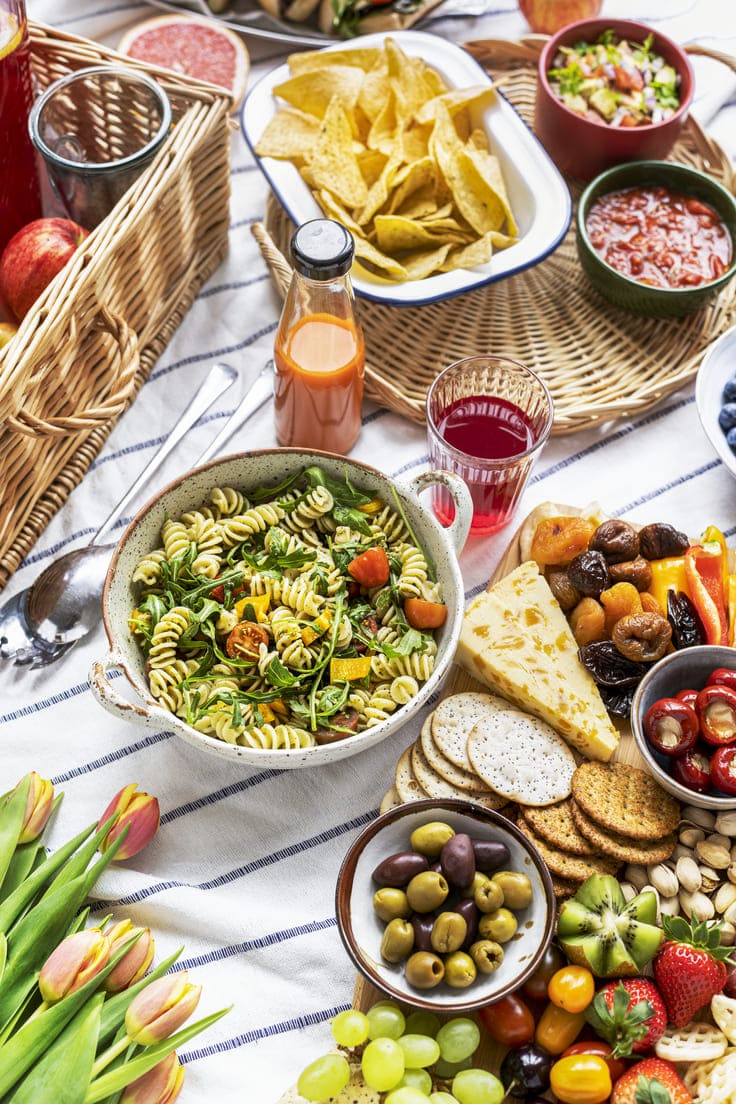
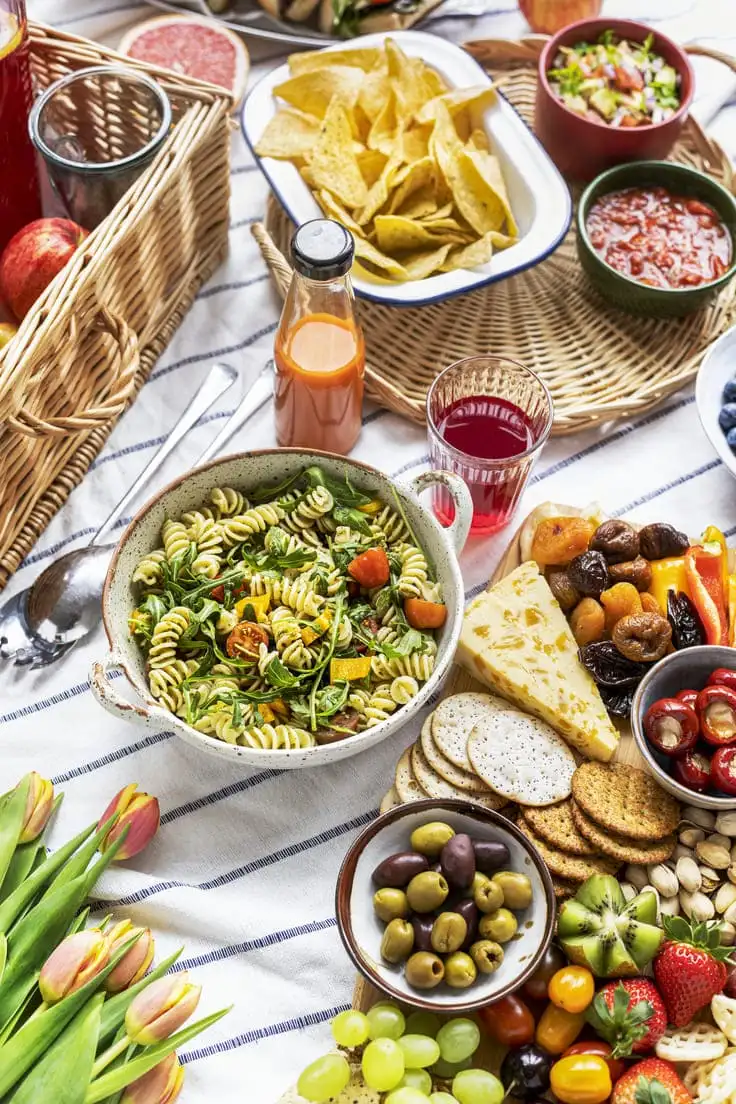
You don’t need chef skills to cook anti-inflammatory meals.
You just need a few smart habits that make food taste good without making things complicated.
Season like you mean it
Herbs and spices are doing double duty here.
They add flavor and bring anti-inflammatory benefits, so don’t be shy with them.
Use things like turmeric, ginger, rosemary, cinnamon, oregano, cumin, and cayenne pepper regularly.
A well-seasoned meal feels satisfying, not like “health food,” and that makes consistency way easier.
Always cook with garlic and onion
Garlic and onion are quite powerhouses.
They’re rich in antioxidant and anti-inflammatory compounds and somehow make almost everything taste better.
Toss them into marinades, salad dressings, bolognese, soups, stews, stir-fries, or roasted veggies.
If a recipe starts with garlic and onion, you’re already on the right track.
Make your own dressings and marinades
Store-bought options are fine, but making your own is surprisingly easy and way more flexible.
Combine oil, vinegar, herbs, and spices, and you’ve got a dressing or marinade that’s full of flavor and anti-inflammatory goodness.
No mystery ingredients. No weird aftertaste. Just food that works for you.
Keep it simple on busy nights
If cooking a new recipe every night sounds exhausting, don’t do it.
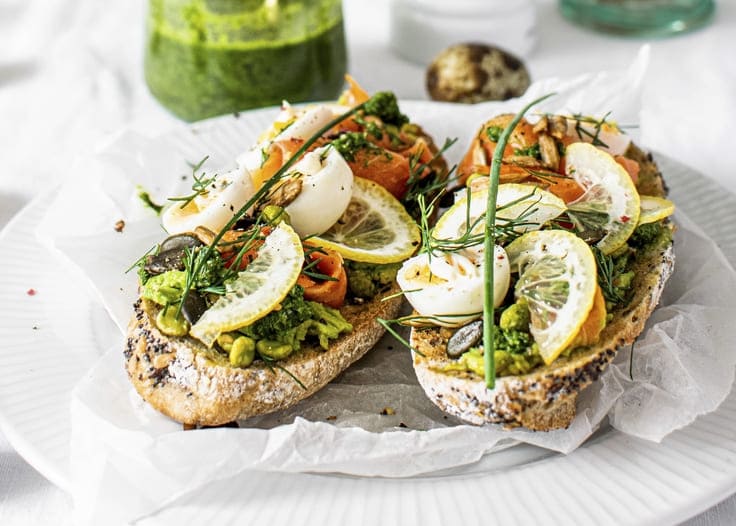
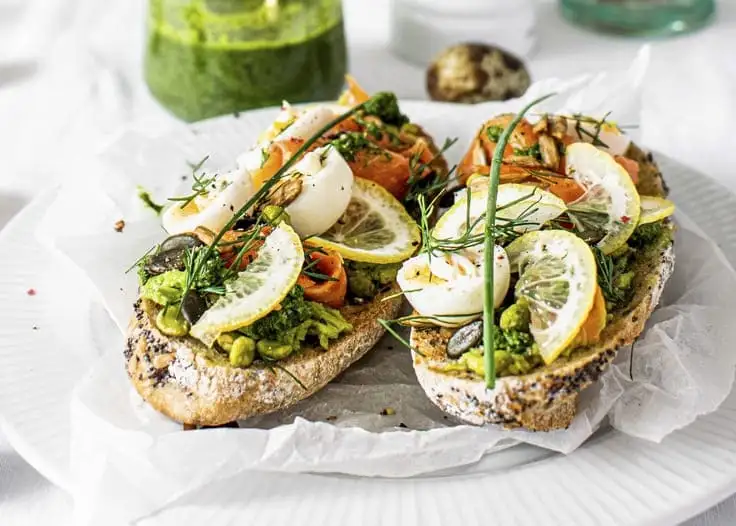
Pick one protein like salmon or chickpeas, add a vegetable, and throw in a grain. Season well. Drizzle with olive oil. Done.
Simple meals are how this becomes sustainable, not something you give up after two weeks.
SEE ALSO: 7 Fantastic Ways to Fight Fat With Food
How to Actually Do This Without Overthinking It
This part matters.
Start Small
Pick one or two changes. That’s it.
- Olive oil instead of whatever oil you’ve been using.
- Whole grains instead of refined.
- Fruit and nuts instead of a processed snack.
That’s already progress.
Build Simple Meals
Use this formula, and you’ll be fine:
- One protein.
- One whole grain.
- A lot of vegetables.
- Olive oil and herbs.
No complicated rules. Just repeat.
Snack Like You Respect Your Body
- An apple with nut butter.
- A handful of walnuts.
- Veggies and hummus.
Easy. Filling. No crash.
Example Day That Actually Works
Breakfast: Greek yogurt with berries and walnuts.
Lunch: Lentil soup with an apple.
Dinner: Baked fish with kale and sweet potatoes.
Normal food. Real food. Nothing extra.
The Real Takeaway
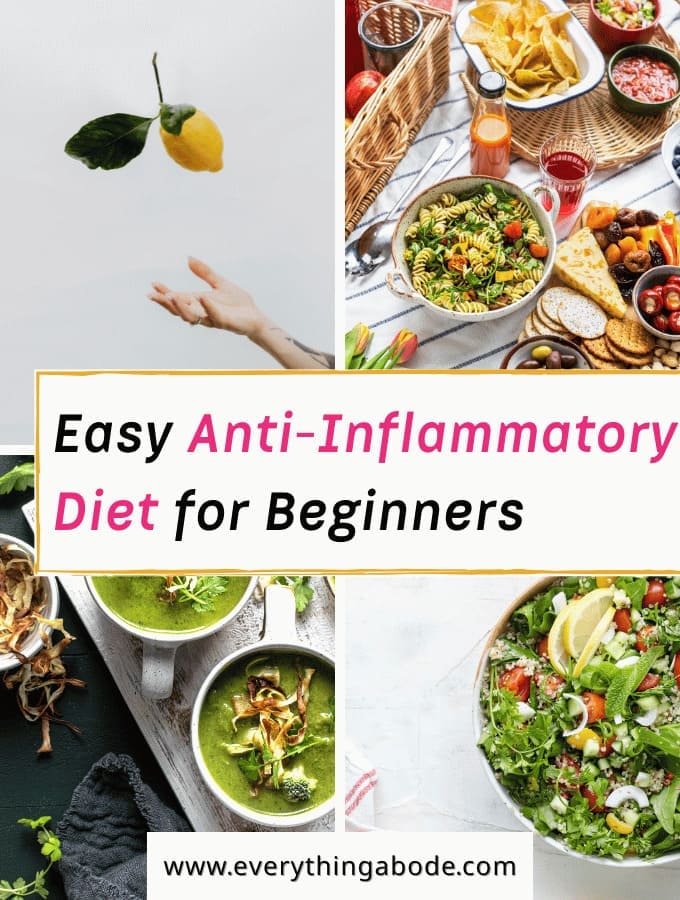
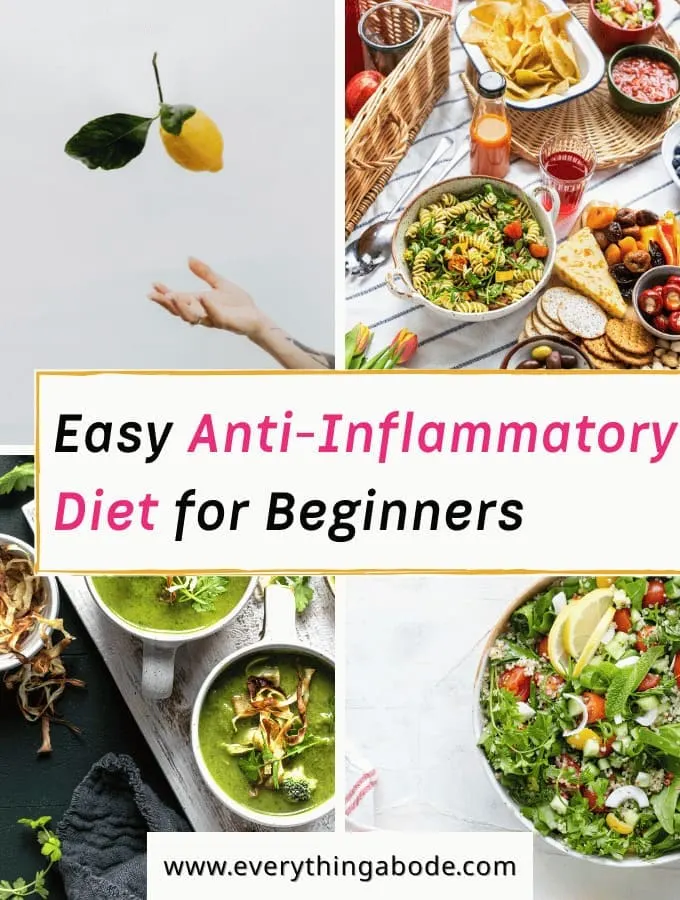
An anti-inflammatory diet is not so much about saying “no” as it is about saying “yes” to more foods with robust inflammation-reducing properties.
It’s about transitioning off of foods that slowly chip away at you, and onto those that bolster you over the long haul.
Whole, unprocessed, single-ingredient foods. Less inflammation. More stability. Better energy. Better mood. Better baseline.
You’re not fixing everything overnight.
You’re building something sustainable. And that’s the whole point!
SEE ALSO: 7 Ways to Help Keep the Weight Off
UP NEXT: 8 Wellness Trends Worth Trying from Home This Year
Don’t Forget to Follow Everything Abode on Pinterest!
Author: Everything Abode
Welcome to Everything Abode, your daily inspiration for every activity at home!
Our goal is to inspire you to live an elegant and chic lifestyle from the comfort of your home.
We’ll help you express yourself through authentic style, aesthetic beauty, and stylish home decor.
Subscribe to Get the Tools That Make My Blog Successful!

When you join my newsletter, I'm going to send you insider advice and tools that I use to grow my blog! I only save the BEST for my email list so don't wait!